

Education, Wellbeing
Early Childhood Development, Wellbeing
08 July, 2026
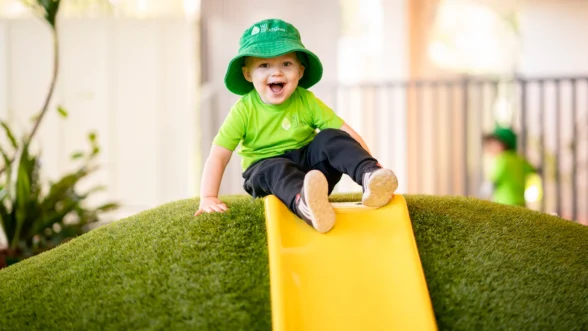
Winter is here and, depending on your comfort with the cold, that can mean pulling out your favourite winter woollies or, if you’re a Queenslander like me, dressing as though you’re about to enter a blizzard despite it being a perfectly respectable 20 degrees outside.
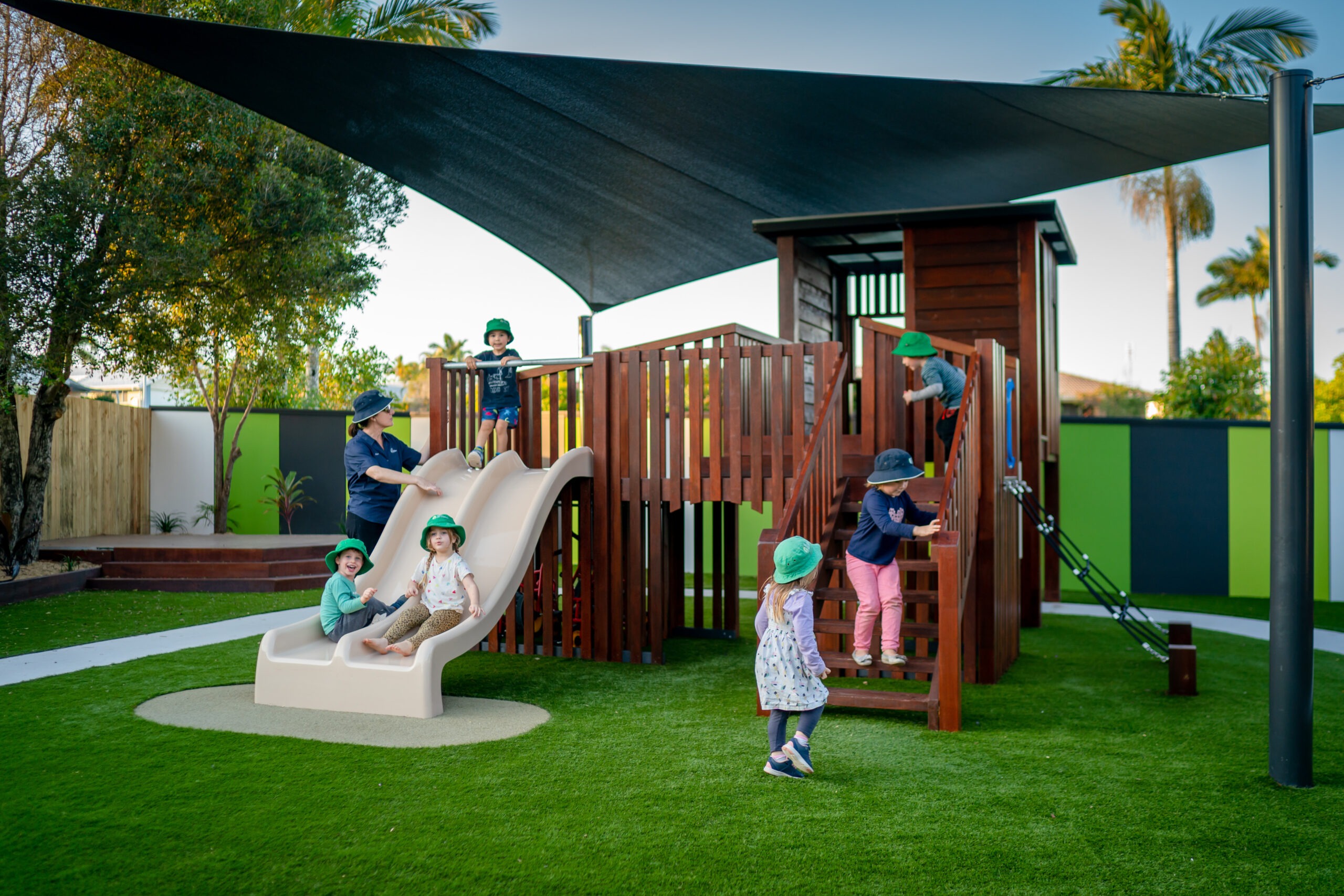
As parents, it can be tempting to spend a little more time indoors when the temperatures drop. However, winter offers children unique opportunities to learn, explore and connect with the world around them. At Edge, we believe children benefit from spending time outside in all seasons, and winter is no exception.
In fact, many of the things that support children’s healthy growth and development happen naturally when they’re outside. Running, climbing, asking questions, solving problems and discovering new things. Winter simply gives children a different version of the world to explore.
First of all, let’s bust a common myth. Children don’t get sick simply because they’ve been outside in cold weather. Colds and flu are caused by viruses, not cold temperatures. Spending time outdoors can actually be beneficial, particularly when compared to spending long periods inside where germs can spread more easily.
Being outside also means children are exposed to natural sunlight, even during winter. Sunlight helps our bodies produce vitamin D, which plays an important role in keeping bones, teeth and muscles healthy. While winter sunshine may not feel as strong as summer sunshine, spending time outdoors still provides benefits.
Most importantly, outdoor play keeps children moving. Whether they’re racing around the playground, digging in the garden or creating muddy masterpieces, they’re being active, building strength and supporting their overall wellbeing.
One of the things children do best is notice things adults often miss.
They notice the fog on a cold morning. They watch leaves change colour. They ask why their breath turns into clouds or where the birds go when the weather changes.
Winter naturally sparks curiosity.
A puddle becomes an experiment. A windy day becomes an opportunity to see how things move. A patch of frost becomes something to investigate. These everyday moments encourage children to ask questions, make predictions and learn about the world around them.
Sometimes the best learning happens when we simply give children the time and space to explore.
As adults, we already know that wet surfaces can be slippery, that jackets keep us warm and that some days are colder than others.
Children don’t know these things yet, they learn them by experiencing them.
Winter provides so many opportunities for children to move, explore and discover. Running, climbing, balancing, splashing through puddles, feeling the cool air on their face or hearing leaves crunch under their feet all help children build confidence in their bodies while making sense of the world around them.
Think about a child carefully stepping around a puddle, testing how slippery a surface feels under their shoes, or deciding they need to put their jacket back on because they’re feeling cold. These might seem like small moments, but they’re actually teaching important life skills.
Through everyday experiences, children learn how to make decisions, solve problems and assess situations for themselves. Our role as educators isn’t to remove every challenge from a child’s day. It’s to support them while they explore, helping them build confidence and learn how to navigate the world safely.
When children are given opportunities to try, fail, adjust and try again, they learn something incredibly important: “I can do hard things.”
Before any great winter adventure comes the right outfit. A child who is warm, comfortable and ready for the weather is far more likely to enjoy being outdoors and make the most of their day.
A few simple tips can make all the difference:
And if your child is one of those children who insists they “aren’t cold” while standing outside in shorts on a chilly morning, you’re not alone! Some children genuinely don’t seem to feel the cold the way adults do. Others find certain fabrics uncomfortable or simply have very strong opinions about what they will and won’t wear.
Offering choices, such as letting them choose between two jumpers or keeping a jacket close by, can help avoid the battle. Often, children learn best through experience and will quickly decide for themselves when an extra layer might be a good idea.
Winter can also be a great opportunity for children to learn how their bodies work. A child who initially refuses a jumper may decide for themselves that they need one after spending some time outdoors. That’s a valuable learning experience too.
Of course, educators will always ensure children are appropriately protected from the weather and will encourage them to put on extra layers when needed. Our goal isn’t to win the “jumper battle” it’s to help children learn to recognise when they’re feeling cold and understand how to take care of themselves.
At Edge, we see winter as another opportunity for children to learn, grow and have fun. Whether they’re splashing through puddles, testing if they really need their jumper, or asking a hundred questions about where the fog came from, they’re learning every step of the way.
So this winter, embrace the muddy shoes, the rosy cheeks and the endless collection of sticks, leaves and “treasures” that somehow make their way home.
Because long after winter is over, children won’t remember whether it was 15 or 25 degrees outside. They’ll remember the adventures.
With 70 childcare, kindergarten, and preschool centres across Queensland, South Australia, and the ACT our Family Engagement Team can help match you with a local centre that best suits your needs.
Fill out your details, and we’ll be in touch.
Education, Wellbeing

Local Community, Wellbeing