

Education, Sustainability
Gardening with Kids: How to Teach Responsibility with Plants
23 March, 2026
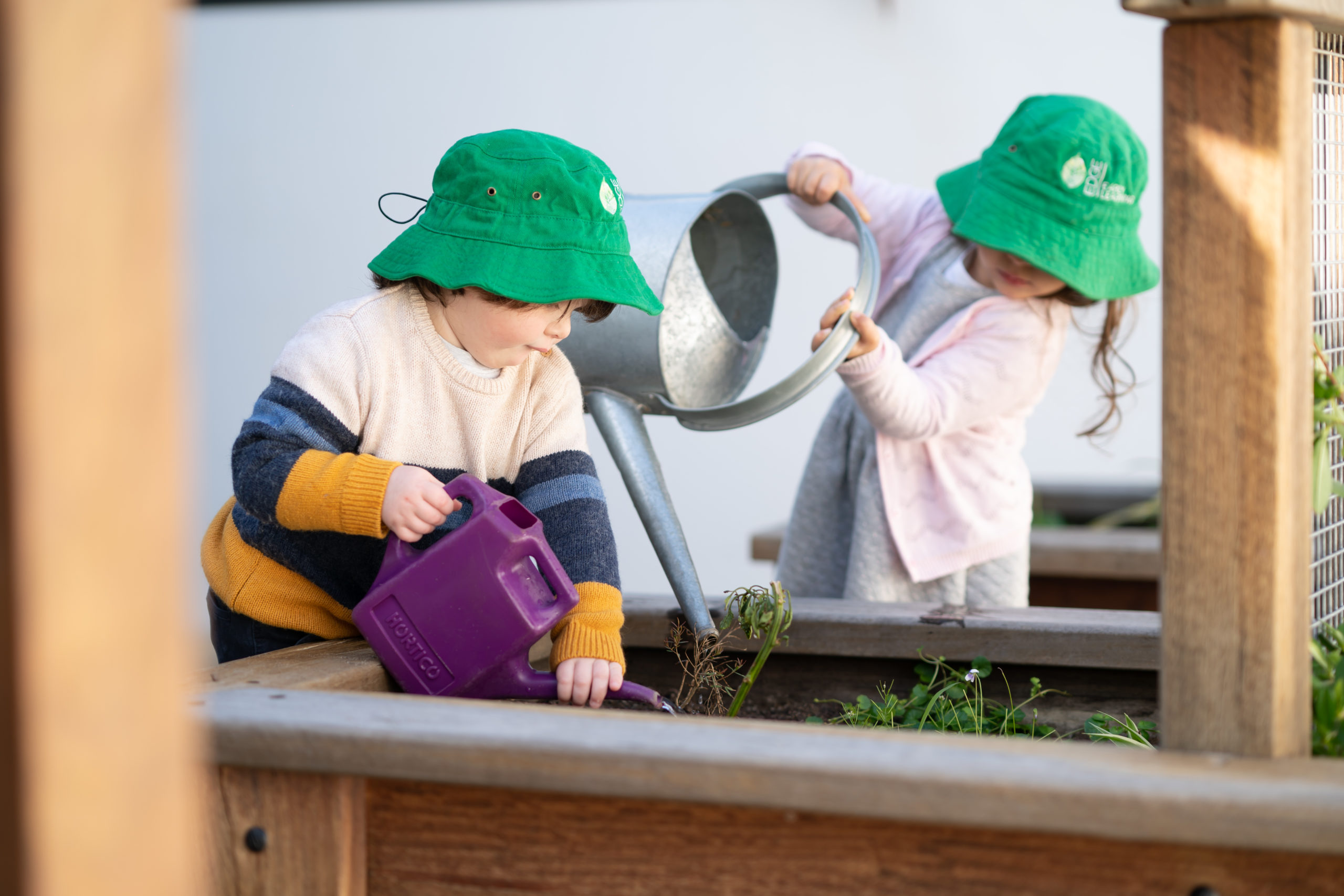
Gardening with kids is more than just a fun weekend activity, it’s a great way to teach responsibility, patience, healthy eating habits, and an appreciation for nature.
Whether you’re planting a backyard veggie patch or choosing your child’s first indoor plant, gardening is a screen-free, hands-on experience that supports child development in meaningful ways.
From edible gardens to easy-care house plants, here’s how to make gardening fun, educational, and rewarding for the whole family.
Why Is Gardening Good for Children’s Development?
Gardening helps children:
- Learn responsibility and accountability
- Understand where food comes from
- Explore science concepts like life cycles and ecosystems
- Develop patience and perseverance
- Build confidence through nurturing something to grow
Natural outdoor spaces also help calm and focus children, offering a healthy break from screens and other technology.
At Edge Early Learning, we’ve seen firsthand how gardening supports curiosity, emotional regulation and environmental awareness in young children.
How to Start a Backyard Veggie Patch with Kids
According to TV presenter, author and horticulture expert Melissa King (Gardening Australia, Better Homes and Gardens, The Garden Gurus), you don’t need a large yard or a “green thumb” to grow an edible garden.
“From herbs to fruits and even vegetables, you really can have it all when it comes to having an edible garden,” says Melissa.
All you need is:
- A sunny spot
- Good-quality potting mix
- Containers or garden beds
- A little imagination
Even small backyards or balconies can grow fresh produce successfully.
The Best Plants to Grow with Children
Dwarf Fruit Trees for Small Spaces: Melissa recommends dwarf varieties for beginners. They produce full-sized fruit but only grow to around 1.5 metres, perfect for pots. Great options include: Lots a’ Lemon lemon trees, Trixzie peaches, nectarines, cherries, and pears. Watching fruit form and ripen is incredibly rewarding for children.
Check out this article on growing dwarf fruit trees in small spaces to learn more!
Fast-Growing Vegetables: Start with easy options: loose-leaf lettuce, silverbeet, broccoli, cauliflower, cabbage. Loose-leaf lettuce is ideal because you can harvest outer leaves while the plant keeps growing. Fast-growing crops can be ready in as little as five weeks, helping children see results quickly.
Let Kids Choose What to Plant
Giving children ownership builds engagement and responsibility.
- Salads → lettuce
- Sweet treats → strawberries
- Cooking → herbs like basil and rosemary
Group herbs by cuisine: Mediterranean (oregano, basil, rosemary), Asian (chives, curry plant) for a fun culinary twist.
Teaching Responsibility
Gardening tasks teach responsibility: watering, weeding, mulching, harvesting, collecting flowers. Seeing results builds pride and confidence.
Indoor Plants
If space is limited, indoor plants work just as well: regular watering, sunlight, occasional fertilising. Hardy, low-maintenance options include:
- Philodendron Xanadu
- Spider Plant (kids can propagate baby plants)
Flowering Plants
Keep kids engaged with flowering plants: Anthurium, Gerbera, Kalanchoe, Zygocactus, African violets. Propagating these teaches growth and patience.
Gardening as a Science Lesson
Kids naturally learn: photosynthesis, life cycles, ecosystems, soil health, pollination.
Where to Begin
Visit a local nursery together and let your child choose. Even one indoor plant can spark a lifelong love of gardening.
Long-Term Benefits
Gardening teaches patience, responsibility, environmental respect, healthy eating, emotional regulation, and independence. Whether it’s a fairy garden, a veggie patch, or a house plant, the lessons your children will learn will last for years to come. At Edge Early Learning, we encourage hands-on gardening experiences, providing children with the guidance, tools, and space to explore, care for plants, and develop a lifelong love of nature.