Education, Useful tools, Wellbeing

How to talk to your children about Coronavirus and teach healthy hygiene

03 April, 2026

good hygiene lessons for kids

Any mums and dads feeling like they suddenly became full-time parents, teachers, health educators and emotional support workers overnight? You’re not alone.

Global health emergencies like coronavirus can feel overwhelming, especially when you’re trying to protect your children without frightening them. The good news? With calm conversations, honest language and some simple daily habits, you can help your kids feel safe, informed and empowered.

We spoke with the expert psychologists at Brisbane-based Benchmark Psychology to understand how parents can talk to children about coronavirus, and how everyday hygiene and nutrition habits play a key role in building confidence and resilience.

How Much Should Children Know About Coronavirus?

It’s natural to want to shield kids from worrying news. But according to Dr Aaron Frost, Director of Benchmark Psychology, some fear is actually healthy.

“Fear is an appropriate response to stressful situations, it keeps us alert to things that might harm us,” Aaron explains. “The key difference is between being a little fearful and being overwhelmed or panicked.”

Children already hear about coronavirus at school, online, and in conversations. Avoiding the topic altogether can create more anxiety, not less.

Instead, Aaron suggests honest, age-appropriate conversations:

  • Use clear, simple language
  • Stick to facts you know
  • Avoid dramatic or catastrophic wording

“We should say things like: This disease will have a big impact, but most people will be fine. We all need to do our part to help everyone.”

Children remember how we behave during challenging times, not just what we say. This is an opportunity to model calm, empathy and responsibility.

Why Talking Openly Increases Emotional Safety

Psychologist Dr Alison Bocquee agrees that openness is essential.

“The information is everywhere already, on the news, at school, and in conversations. By talking openly with your children using child-friendly language, you gain some control over what they understand.”

When kids know they can ask questions without upsetting you, they’re more likely to:

  • Share worries instead of internalising them
  • Feel reassured by your calm response
  • Develop emotional resilience

Your tone, body language and behaviour matter just as much as your words.

Teaching Kids Why Hygiene Matters (Without Fear)

One of the most important reasons to talk about coronavirus is to help children understand why hygiene habits matter.

Dr Jasmine Pang, psychologist at Benchmark Psychology, explains:

“Explain that health precautions aren’t just for now, they’re something we practice any time we’re sick or during flu season. It’s about being socially responsible.”

Rather than focusing on danger, focus on what children can do to help, which builds confidence instead of fear.

Everyday Hygiene Habits That Protect the Whole Family

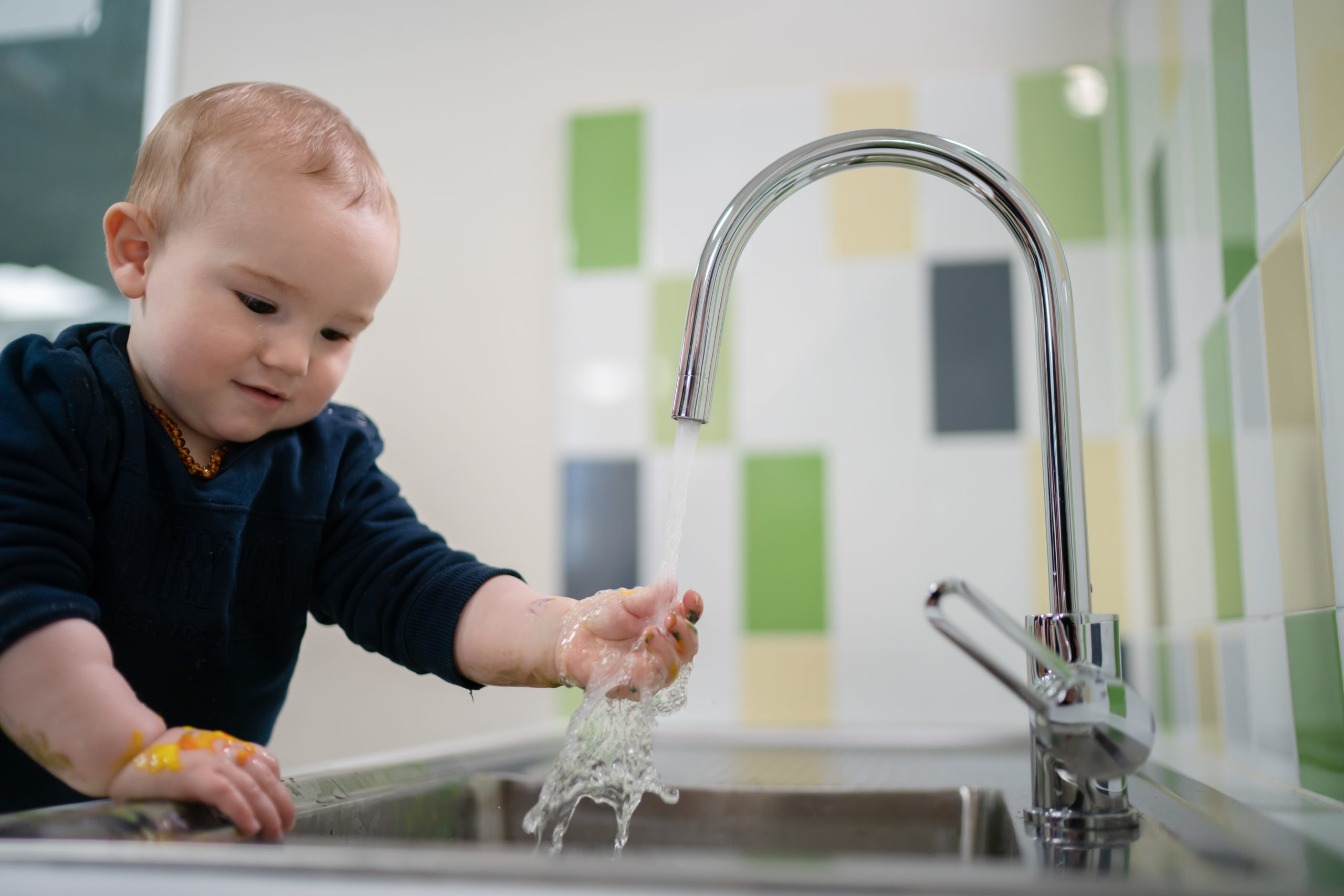
How to Wash Hands the Right Way – Handwashing Works Best When it’s Done Properly

  • Use soap and water
  • Scrub for at least 20 seconds
  • Wash between fingers, under nails and up to wrists

Make it fun with songs like The Alphabet Song or If You’re Happy and You Know It.

Teach Coughing and Sneezing Etiquette

Teach kids to cough or sneeze into their elbow, not their hands. Turn it into a game and praise them when they remember, positive reinforcement goes a long way.

Bath Time = Hygiene Lesson

Bath time is the perfect low-pressure moment to reinforce habits:

  • Washing faces
  • Cleaning behind ears
  • Scrubbing underarms

Bubbles, songs and play make learning fun.

Encourage Hands Away From Faces

Kids touch their faces constantly, so explain simply that germs enter through eyes, noses and mouths. Leading by example is powerful here.

Supporting Strong Immune Systems Through Nutrition

Good hygiene protects the outside, nutrition strengthens the inside.

Nutritionist and TV presenter Rick Hay recommends focusing on immune-supporting foods kids actually enjoy.

Vitamin C for Immune Defence

Vitamin C supports:

  • White blood cell production
  • Tissue repair
  • Protection from oxidative stress

Great sources include:

  • Strawberries
  • Blackberries
  • Capsicum
  • Citrus fruits
Zinc for Fighting Infection

Zinc plays a key role in immune cell production. Even mild deficiencies can weaken immunity.

Zinc-rich foods include:

  • Eggs
  • Beans and chickpeas
  • Oats
  • Cashews
  • Pumpkin seeds
  • Meat

Pairing zinc with vitamin C boosts effectiveness.

Turmeric and Ginger for Wellness
  • Turmeric helps reduce inflammation
  • Ginger supports digestion and respiratory health

Add to soups, smoothies or warm drinks.

Magnesium for Calm and Sleep

Stress affects immunity too. Magnesium supports:

  • Nervous system regulation
  • Better sleep
  • Reduced anxiety

Found in leafy greens, bananas, avocados and nuts.

Teaching Empathy and Respect for Others

Good hygiene isn’t just about personal health, it’s also about caring for others.

Teach children to:

  • Respect personal space
  • Cover coughs
  • Be mindful around others

These lessons build empathy, social awareness and lifelong health habits.

Helping Children Feel Safe During Uncertain Times

Above all, children take cues from you.

It’s important to model:

  • Calm behaviour
  • Balanced media consumption
  • Confidence that you will get through this together

Dr Jasmine suggests planning ahead if time at home is required:

  • Create a movie list
  • Plan games and activities
  • Set gentle routines

“Place emphasis on doing this together as a family and community.”

Key Tips for Parents

We recommend:

  • Honest conversations
  • Calm reassurance
  • Simple hygiene habits
  • Nourishing food
  • Emotional connection

Remember, you’re not just helping your kids navigate coronavirus, you’re teaching them skills they’ll carry for life.


Book a Tour