
Education, Wellbeing
Education, Parenting Resources, Useful tools
02 January, 2026
Starting ‘big school’ marks the beginning of an exciting new chapter, with many teachers and support staff playing a role in your child’s growth and development over time. Real school readiness isn’t about ticking off reading, writing, or counting early; it’s about building the confidence, social skills, and independence that help children feel secure and ready to learn. While children are at school to gain these skills, spending a little time building some foundations before they start can make those first weeks and months at big school feel calmer and more enjoyable for everyone.
When we hear the term ‘school readiness’, it’s easy to think of children who can already read, write their name, or count to 100. But real school readiness is much broader than ABCs and 123s. It’s about your child feeling secure, curious, and capable in a brand-new environment.
Below are 10 key school readiness skills that early childhood experts look for, along with simple, practical ways you can support children at home.
One of the most significant aspects of starting school is separating from parents or carers at drop-off. Children who feel safe and secure are more likely to settle, join in and learn. This often means they can say goodbye (even if they’re a bit teary) and then calm fairly quickly, and can stay with trusted adults like educators or relatives without you.
How to Prepare Your Child for School: Tips for Parents
School days come with new routines, rules and expectations. Children don’t need to be perfectly calm all the time, but it helps if they’re learning how to manage big feelings. This might look like sometimes using words, not just actions, when they’re frustrated, and still getting upset at times but being able to be comforted and supported to calm down and return to play.
How to Prepare Your Child for School: Tips for Parents
School is very social. Being able to join in play, wait their turn and share space and resources makes the classroom feel safer and more enjoyable. This might look like your child playing alongside or with other children, and starting to learn – with reminders – to share toys, take turns and use gentle hands.
How to Prepare Your Child for School: Tips for Parents
In a busy classroom, children are often asked to listen, follow group instructions and switch between activities. This means your child can usually follow one or two-step instructions, like “Put your shoes on and grab your hat,” and can stop and listen when their name is called.
How to Prepare Your Child for School: Tips for Parents
Children don’t need advanced language skills, but they do benefit from being able to tell a teacher when they’re hurt, confused, or need help. This includes being able to tell an adult if they’re hungry, need the toilet, or feel unwell, and answering simple questions while sharing ideas in their own words.
How to Prepare Your Child for School: Tips for Parents
School is full of new experiences. It helps when children are curious and willing to try, even if they’re not sure they’ll get it right the first time. This might look like your child asking questions, exploring new things, and sometimes having a go at something challenging with a little encouragement and support from you or their educators.
How to Prepare Your Child for School: Tips for Parents
Little things like managing their bag, lunchbox and belongings help children feel more confident and less overwhelmed. This includes your child being able to have a go at opening their lunchbox, food containers, and drink bottle, and beginning to manage toileting and handwashing independently.
How to Prepare Your Child for School: Tips for Parents
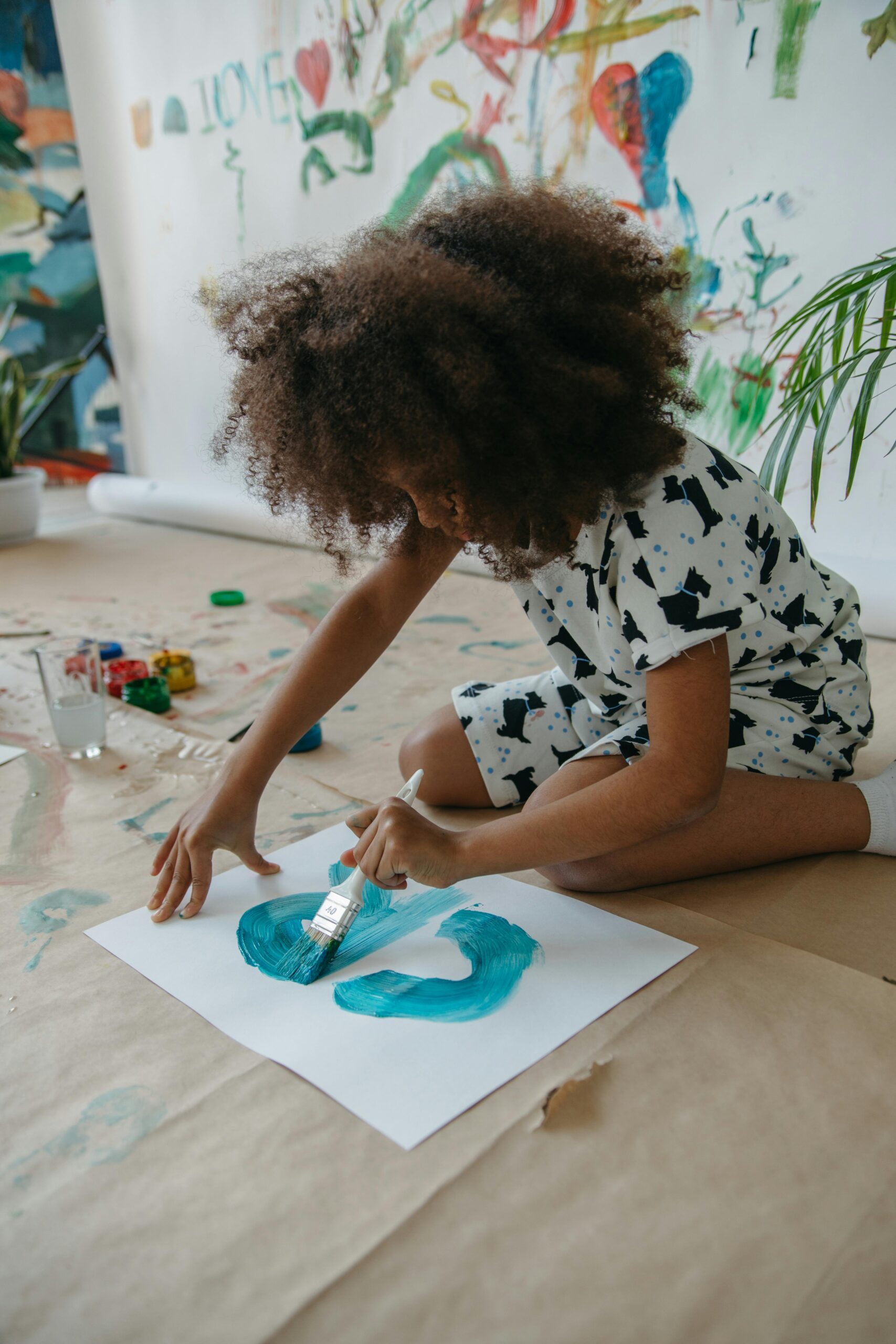
Children don’t need to write sentences before school, but they do benefit from hands and fingers that are strong and ready for drawing, cutting, and early writing. This means your child enjoys activities like drawing, painting, threading, or building, and can practise holding crayons, pencils, or scissors with growing control.
How to Prepare Your Child for School: Tips for Parents
School days involve sitting on the mat, playing outside, climbing, and sometimes carrying a bag that feels big on little shoulders. Children who are developing strong gross motor skills can run, jump, climb and balance with increasing confidence, and are able to sit on the floor for short periods during story time.
How to Prepare Your Child for School: Tips for Parents
Starting school is a big transition. Children don’t need to love every moment straight away, but it helps if they’re beginning to build resilience – the ability to bounce back and keep trying. Your child may feel nervous or unsure, but can be comforted and return to play, and is starting to cope with small disappointments, like losing a game or when plans change.
How to Prepare Your Child for School: Tips for Parents
At Edge Early Learning, our Teach A Rainbow educational program is designed to gently build many of these school readiness skills in a play-based, child-centred way. Teach A Rainbow celebrates each child’s unique strengths and curiosity, with experiences that support cognitive development, emotional intelligence, language and communication, physical health and wellbeing, and social connectedness. That means while your child is busy playing, exploring and making friends, they’re also developing the confidence, independence and resilience they’ll draw on when they start school.
School readiness isn’t about having everything “perfect” before day one. It’s about gradually building a foundation of confidence, curiosity and connection so your child feels ready to take that next step. Children are at big school to learn – socially, emotionally, physically and academically.
If you can gently practise a few of these readiness skills through play and everyday routines, you’ll help your child feel more comfortable and confident when they start big school.
If you’d like support with your child’s school readiness, your local early learning educators are a great place to start – they see these skills in action every day and can offer personalised guidance for your family. You can also read more about our Teach A Rainbow program here.
You can support building these skills before school starts – book a tour at your local Edge Early Learning centre and chat with our educators about how we nurture school readiness in our programs.
As you work through your own school readiness checklist, it can also help to see what your local education department recommends for children starting school. These government guides outline what Prep/Kindergarten looks like in each state, key skills, and how you can support your child’s transition:
Education, Wellbeing