
Education, Useful tools, Wellbeing
How to teach children about healthy hygiene
03 April, 2026
Here’s a cleaned-up version focused purely on hygiene and healthy habits, with all mentions of coronavirus removed and sections tightened for clarity:
Helping Kids Stay Healthy and Confident
Any mums and dads feeling like they suddenly became full-time parents, teachers, health educators, and emotional support workers overnight? You’re not alone.
With calm conversations, honest language, and some simple daily habits, you can help your kids feel safe, informed, and empowered about hygiene.
Edge Early Learning spoke with the expert psychologists at Brisbane-based Benchmark Psychology to understand how parents can talk to children about hygiene, and how everyday habits and nutrition play a key role in building confidence and resilience.
How Much Should Children Know About Hygiene?
Children notice your behaviour more than your words. Honest, age-appropriate conversations help them:
- Share worries instead of internalising them
- Feel reassured by your calm response
- Build emotional resilience
Your tone, body language, and behaviour matter just as much as your words.
Teaching Kids Why Hygiene Matters
Dr Jasmine Pang explains: “Health precautions aren’t just for now—they’re habits we practice anytime we’re sick or during flu season. It’s about being socially responsible.”
Focus on what children can do to help, which builds confidence instead of fear.
Everyday Hygiene and Healthy Habits
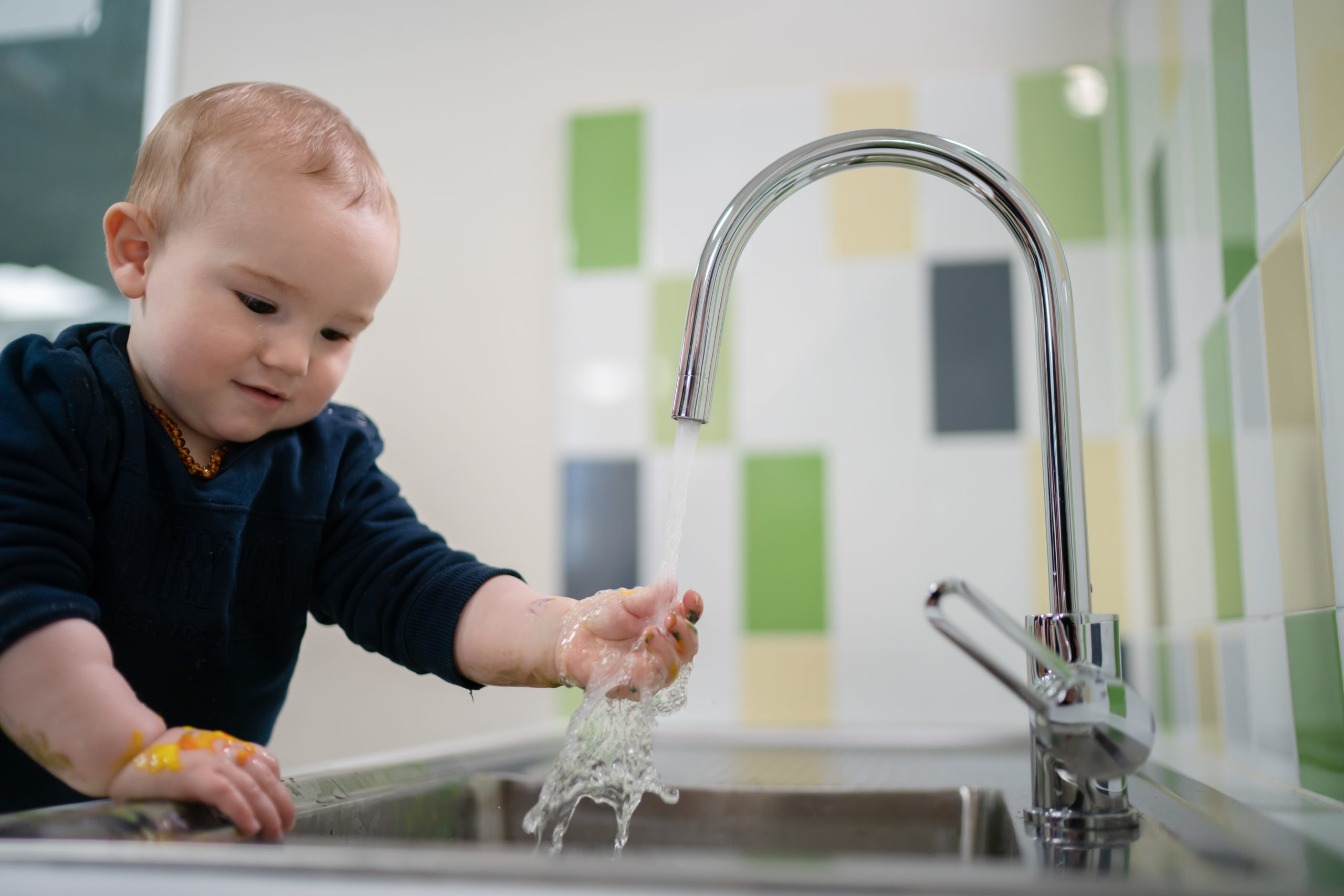
- Handwashing: Use soap and water for 20 seconds, scrub fingers, nails, and wrists. Make it fun with songs.
- Coughing & Sneezing: Use elbows, not hands, and praise good habits.
- Bath Time: Reinforce washing faces, behind ears, and underarms—use bubbles, songs, and play.
- Hands Away From Faces: Lead by example; germs enter through eyes, nose, and mouth.
Nutrition for Immunity
- Vitamin C: Strawberries, citrus, capsicum
- Zinc: Eggs, beans, oats, pumpkin seeds, meat
- Turmeric & Ginger: Reduce inflammation, support digestion
- Magnesium: Leafy greens, bananas, nuts for calm and sleep
Teaching Empathy
Good hygiene is also about caring for others—teach children to:
- Respect personal space
- Cover coughs
- Be mindful of others
Creating a Safe Routine
Model calm behaviour, balanced screen time, and confidence. Plan movies, games, and gentle routines to do together as a family.
Key Tips for Parents
- Honest conversations
- Calm reassurance
- Simple hygiene habits
- Nourishing food
- Emotional connection
By teaching kids healthy habits and self-care, you’re helping them develop skills they’ll carry for life. At Edge Early Learning, we take hygiene seriously to ensure a safe, clean, and healthy environment. Our educators model and encourage proper handwashing, covering coughs and sneezes, and keeping hands away from faces.
We always make hygiene fun and engaging with songs, games, and playful routines during snack times, helping children learn habits that protect themselves and others while building confidence and independence every day.