
Education, Useful tools, Wellbeing
How Physical Literacy Builds Concentration and School Readiness (Plus 7 Story Time Tips)
26 March, 2026
One of the most important predictors of a smooth transition to school is well-developed concentration. Children who find it difficult to focus can miss learning opportunities, fall behind academically, and feel less confident in the classroom.
The good news? Concentration isn’t something a child either “has” or “doesn’t have”, it’s a skill that can be developed.
At Edge Early Learning, we know that two of the most powerful tools for developing concentration in early childhood are physical literacy and engaged story time. Let’s chat about how both work together to support school readiness.
Why Concentration Is Critical for School Readiness
Concentration is like a muscle, it needs to be exercised regularly to grow stronger.
When children:
- Listen to instructions
- Follow multi-step tasks
- Sit for group learning
- Transition between activities
Building this early is far easier than trying to “catch up” once school begins.
How Physical Literacy Improves Concentration
Movement plays a huge role in helping children focus. At Edge Early Learning, our Active Early Learning Curriculum is designed to strengthen concentration during sessions and beyond.
Literacy Games Strengthen Focus
Games help children:
- Listen and understand rules
- Follow instructions
- Work in teams
- Stay engaged
- Develop gross and fine motor skills
This activates multiple brain areas, building neural pathways that support attention and learning.
Movement Resets the Brain
After physical activity, children often feel both energised and calm. Like adults taking short breaks, children regain focus and mental clarity through movement.
Simple Ways to Build Concentration at Home
- Movement “Snacks”: 10 star jumps before snack, high knees before screen time, balance on one foot while counting.
- Imaginative Games: Waddle like a penguin, clap like a seal, jump like a dolphin.
Make activity fun—focus follows naturally.
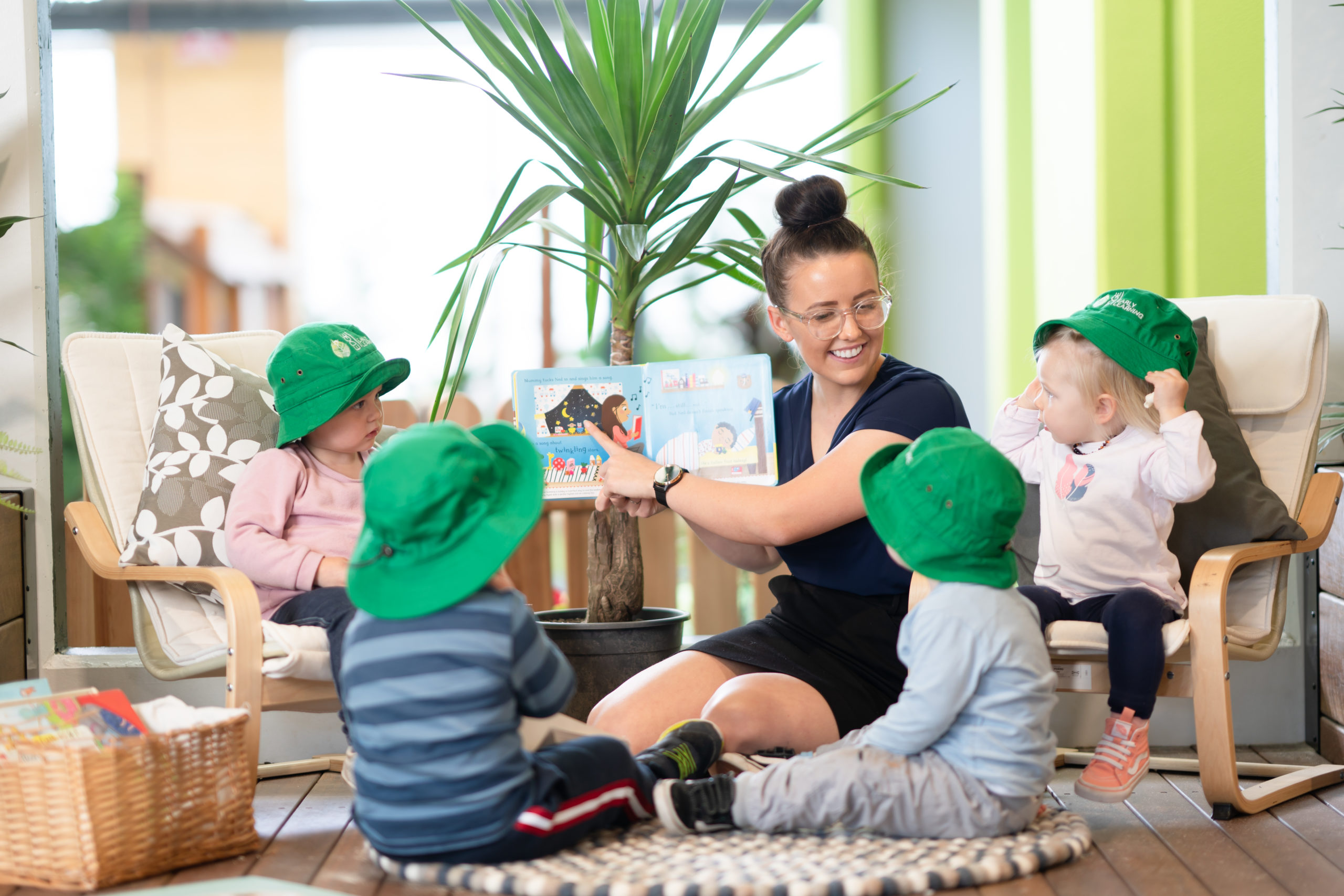
7 Tips to Improve Toddler Focus at Story Time
Story time builds listening, language, comprehension, emotional regulation, and pre-literacy skills.
Use Character Voices – keeps toddlers engaged.
Slow Down – improves comprehension and attention span.
Follow Words with Your Finger – supports letter recognition and early literacy.
Let Your Child Choose the Book – autonomy boosts engagement.
Match Books to Interests – dinosaurs, trucks, fairies, or animals.
Create a Consistent Routine – reading at the same time each day builds focus.
Make it a Family Activity – involving siblings or parents makes story time inclusive.
The Link Between Movement, Reading and School Transition
Physical literacy and story time might seem unrelated, but they both strengthen:
- Attention span
- Listening skills
- Emotional regulation
- Cognitive flexibility
- Confidence
Children who regularly move their bodies and engage in interactive reading are better prepared for:
- Structured classroom environments
- Group activities
- Following instructions
- Managing transitions
School readiness isn’t about worksheets or early academics. It’s about building the foundational skills that allow children to learn.
Make Literacy Fun, Not Forced
Concentration grows when children are:
- Active
- Curious
- Engaged
- Encouraged
Whether through physical literacy games or expressive story time, small daily habits build big long-term benefits. Keep it playful. Keep it consistent. And trust that every jump, clap, story and giggle is preparing your child for success at school, and beyond. For more information, contact our early learning team.