
Education, Local Community, Top News
Sustainability, Top News, Useful tools
13 August, 2026
We all know, babies grow quickly, and so does the pile of clothes, toys, furniture and feeding gear they leave behind.
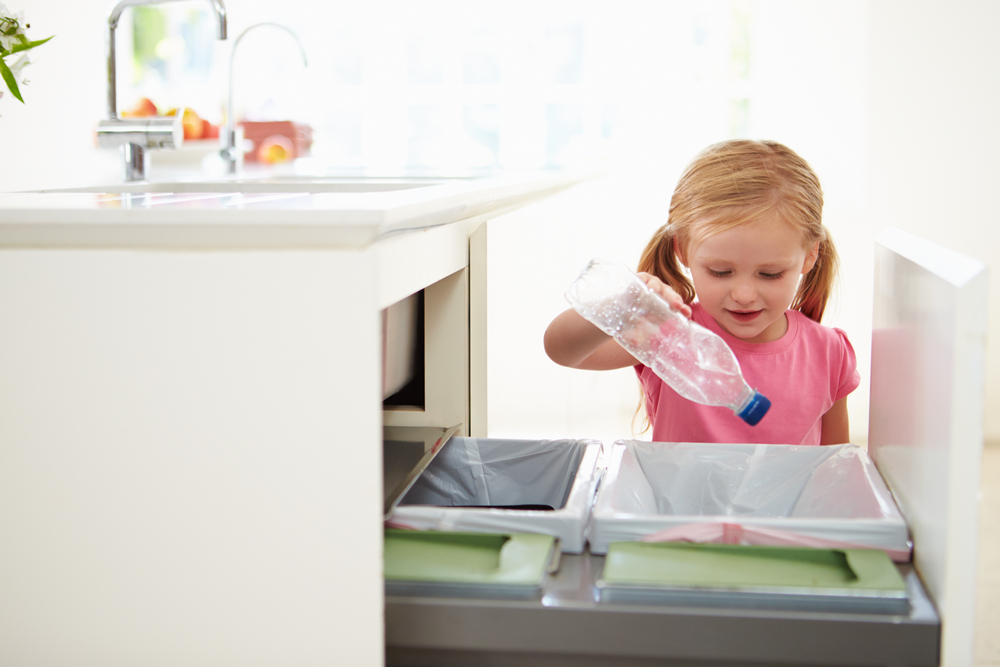
Instead of sending unwanted baby items to landfill, why not recycle, repurpose or upcycle them? Teaching children from a young age how to reuse and recycle isn’t just good for the planet, it builds empathy, responsibility and environmental awareness.
Here are some ideas from the Edge Early Learning team to recycle baby items creatively while making sustainability fun for the whole family.
Teaching children about recycling helps them:
When kids see that old items can become something new, they start thinking differently about consumption.
1. Donate Unwanted Baby Items: Give baby clothes, toys, and furniture to charities like Baby Give Back, friends, or community groups. Explain to your child why—it teaches generosity and social responsibility.
2. Repurpose Baby Clothes: Turn outgrown clothes into memory quilts, teddy bears, cushion covers, or tote bags. Upcycling reduces waste and creates meaningful keepsakes.
3. Reuse Bowls and Feeding Gear: Use old bowls, plates, and trays for crafts, jewellery storage, paint trays, or freezer cubes. Small items repurposed help cut single-use waste.
4. Upcycle Nursery Furniture: Change tables can become bar carts, cots into reading nooks, and highchairs into plant stands. Extending furniture life reduces landfill and adds character.
5. Make Recycling Fun: Turn recycling into a game: memory challenges, DIY recycling stations, or “think before you toss.” Label bins clearly for paper, plastic, and glass.
6. Compost or Start a Worm Farm: Food scraps can create nutrient-rich soil, teach natural cycles, and support backyard gardens.
7. Grow Your Own Food: Herbs, lettuce, tomatoes, and strawberries grow easily—even on balconies. Use kitchen scraps as compost to close the sustainability loop.
8. Carry Reusable Bags and Containers: Reusable shopping bags, produce bags, bamboo lunch boxes, and DIY beeswax wraps reduce waste daily.
9. Buy Imperfect Produce: Choosing misshapen fruits and vegetables reduces food waste and teaches kids that appearance isn’t everything.
10. Turn Trash into Treasure: Get creative with tins, plastic bags, egg cartons, and old magazines. Upcycling turns waste into fun projects and teaches resourcefulness.
When children see you donating, repurposing, composting, and choosing reusable items, they learn that sustainability is a lifestyle, not just a one-off action. At Edge Early Learning, we encourage children to bring in items from home, like jars, boxes, fabric scraps, and old containers, to reuse in creative projects. By turning everyday objects into art, games, or gardening tools, children learn practical ways to reduce waste, care for their environment, and develop creativity, responsibility, and respect for the planet.
Recycling baby items and making sustainability fun doesn’t require dramatic lifestyle shifts.
It starts with:
The habits you build now shape how your children care for the planet in the future. For more ideas and practical tips on sustainability with kids, check out our blog articles.
With 70 childcare, kindergarten, and preschool centres across Queensland, South Australia, and the ACT our Family Engagement Team can help match you with a local centre that best suits your needs.
Fill out your details, and we’ll be in touch.
Education, Local Community, Top News