Here at Edge Early Learning, we’re all about helping kids learn valuable life lessons. Teaching your children about money is one of the most important life lessons you can give them. From budgeting and saving to negotiating and earning, these skills set them up for financial independence and responsibility as they grow.
Here are some practical tips you can use at home:
How to Create a Budget
Even adults sometimes find it challenging to budget, but it’s a skill that children can benefit from early. Learning to budget helps kids understand the value of money, make conscious spending choices, and manage their allowances or pocket money effectively.
A simple approach is the Barefoot Investor method for kids:
- Blow – spending money for treats
- Mojo – safety money for emergencies
- Grow – long-term savings
By introducing these ideas, children can practice prioritising their spending while learning that money isn’t infinite.
How to Save (and Watch it Grow!)
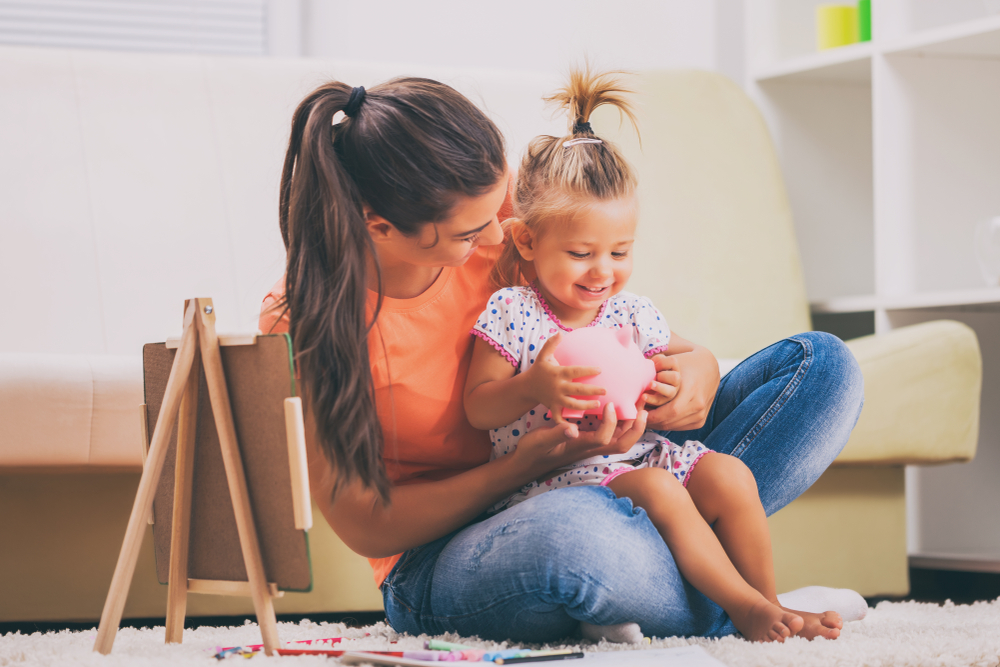
Whether it’s a piggy bank or an online account, teaching children to save encourages patience and planning. For younger kids, a fun piggy bank can make saving tangible, they’ll love watching their money physically grow. Older children may prefer digital options like ZAAP or Spriggy, where they can manage their money using their own card, encouraging more independence and responsibility.
Saving early also helps them understand delayed gratification, a key skill for long-term financial success.
How to Earn Money
Encourage children to earn money through age-appropriate chores at home or small tasks in the neighbourhood. This teaches them that effort is rewarded, perseverance matters, and work isn’t always easy but is worth it.
Some great ideas include:
- Chore List: Sit together and make a list of tasks; post it somewhere visible like the fridge.
- Pay Cheque: Use the “$1 per year of age per week” method (e.g., a 7-year-old earns $7/week).
- Reward Goals: Encourage saving a portion of their earnings for larger purchases.
How to Spend Wisely
Teach children the difference between needs and wants from an early age. Use real-life examples: “I want new shoes, but first we need to replace our broken vacuum.”
Psychologist Dr Aaron Frost advises giving children enough pocket money to make small decisions themselves, helping them learn the value of money and making smarter choices. This is also a great way to handle requests for branded items: children can see the value of a $10 Target t-shirt versus a $90 Nike one.
How to Negotiate
Negotiation is a life skill your children can carry into adulthood. Teaching them to ask for more pocket money, barter for chores, or weigh options helps them develop confidence in making financial decisions.
Simple exercises at home:
- Encourage them to justify extra allowance with reasons.
- Role-play negotiation scenarios for fun and practical experience.
Understanding Value Through Work
The earlier children learn that money comes from effort, the better they’ll manage it. By connecting chores and earnings, kids develop an understanding of responsibility and the rewards of work.
Dr Frost explains that children who start learning about money young are more likely to make thoughtful spending choices as teenagers, including decisions around saving for bigger items like electronics or clothing.
Teaching Money Through Everyday Life
As well as allowances and chores, children can learn financial literacy through observation and discussion:
- Take them grocery shopping and talk about budgeting.
- Discuss bills, saving for family holidays, or cost comparisons.
- Encourage decision-making about small purchases.
By integrating money lessons into daily life, children gain a practical understanding of finances rather than just theoretical knowledge.
Important things to remember
Teaching children about money early:
- Builds responsibility and independence
- Encourages smart saving, spending, and earning habits
- Prepares them for real-life financial challenges
For more information and guidance on teaching children about money, speak to our qualified team of educators or find a centre near you!