If you’ve been wondering whether to enrol your child in music lessons or introduce music more intentionally at home, consider this your sign.
Music isn’t just enjoyable, at Edge Early Learning we know it can play a powerful role in child development. From boosting brain function and memory to improving social skills and emotional regulation, the benefits of music for children are backed by both research and real-world experience. Here’s why teaching children music matters.
Music Is Important for Child Development
Music is universal. It breaks down barriers across cultures, languages and generations, it connects people in ways few other activities can. But beyond pure enjoyment, music actively supports development in a variety of areas, including:
- Brain development and memory
- Language and communication skills
- Emotional regulation
- Social confidence
- Motor coordination
- Academic performance
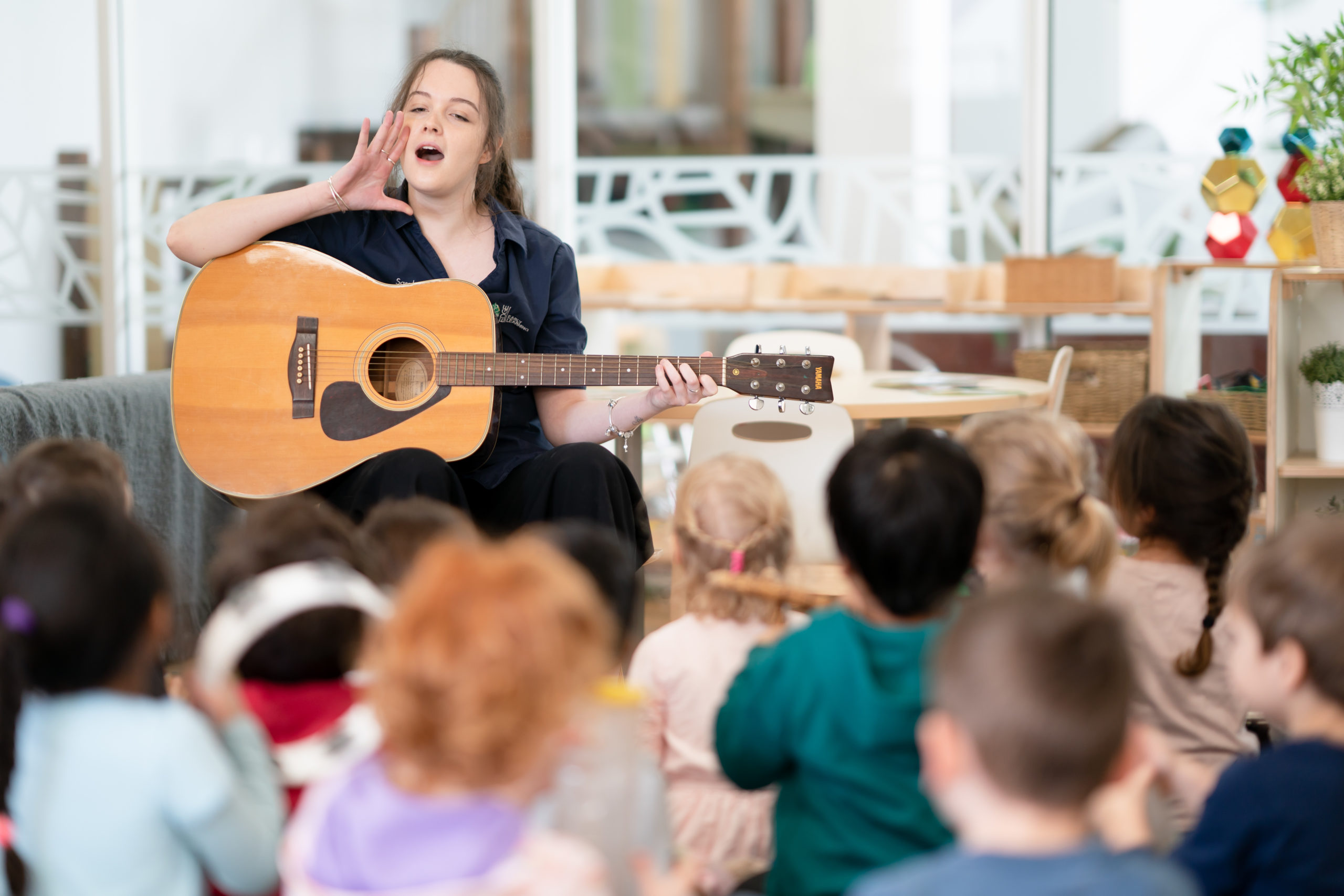
Did you know, research suggests that musicians’ brains function differently to non-musician? Playing music has been described as a “full brain workout,” activating multiple regions at once, including areas responsible for memory, coordination, and problem-solving. Children exposed to music early in life are also often more confident learners in academic settings.
This video explains it perfectly!
How Music Supports Brain and Cognitive Development
Music engages both hemispheres of the brain at once. When a child learns an instrument, they are:
- Reading symbols (music notes)
- Interpreting rhythm and timing
- Coordinating fine motor skills
- Listening critically
- Adjusting in real time
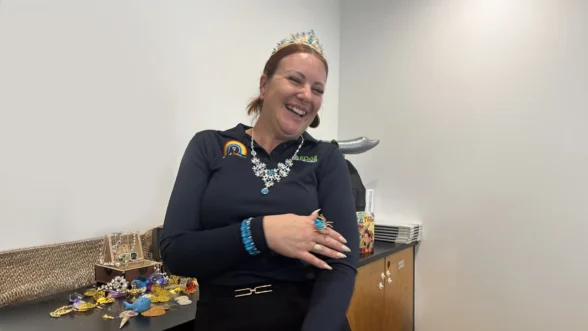
According to Karen Richmond, a registered music therapist from Groovin Music Therapy with more than 14 years of experience, “Music can be an especially powerful tool to help with many aspects of a child’s development, including social and emotional skills, motor and cognitive development.” She explains that active music making helps “join pathways and fire up little minds in ways no other single activity can.”
The Social and Emotional Benefits of Music for Kids
Music builds more than technical skill—it also shapes character, teaching children teamwork, cooperation, discipline, leadership, listening, communication, patience, and resilience through classes and ensembles.
Learning a new note, rhythm or song boosts confidence. Performing, even informally, helps children overcome nerves and develop self-belief. Music also plays a therapeutic role. Karen explains, “Music therapy provides great benefits for children, from social and communication skills to physical and academic competence. It can reduce stress, agitation and help improve self-regulation and awareness.” In other words, music helps children manage their emotions, not just express them.
What Is Music Therapy for Children?
What Is It?
Music therapy uses singing, instruments, movement, games, and improvisation to support health, wellbeing, and development. It helps with:
- Communication
- Emotional regulation
- Behaviour management
- Motor skills
- Bonding and relationships
While especially beneficial for children with extra needs, all children gain from structured musical engagement.
Does Music Boost Academic Skills?
Early musical exposure strengthens pattern recognition, memory, focus, listening, sequencing, and timing. Structured practice also teaches persistence and delayed gratification—skills that transfer to the classroom.
How to Introduce Music at Home
- Sing and Dance: Incorporate music into daily routines.
- Music Apps: Tools like Rhythms, Simply Piano, Kinderling Radio, and Yousician make learning fun and self-paced.
- Simple Instruments: Percussion, keyboards, or ukuleles are great starters.
- Group Classes: Offer social and musical benefits.
Early Years Matter
Music supports brain development, bonding, and engagement. At Edge Learning Learning, our fun, motivating activities encourage sustained participation, which drives growth.
Long-Term Benefits
Music helps children build confidence, creative expression, emotional tools, cognitive strength, social awareness, and lifelong enjoyment, providing skills and joy they carry into adulthood, even without formal lessons.
The Benefits of Music for Children – It’s More Than a Hobby
Music is one of the few activities that strengthens the brain, builds emotional resilience, enhances social skills and sparks creativity, all at once. Whether it’s through formal lessons, music therapy, school programs or Friday night living room dance parties, introducing your child to music is an investment in their development and wellbeing.