
Education, Top News, Transition to School
Transition to School
07 May, 2026
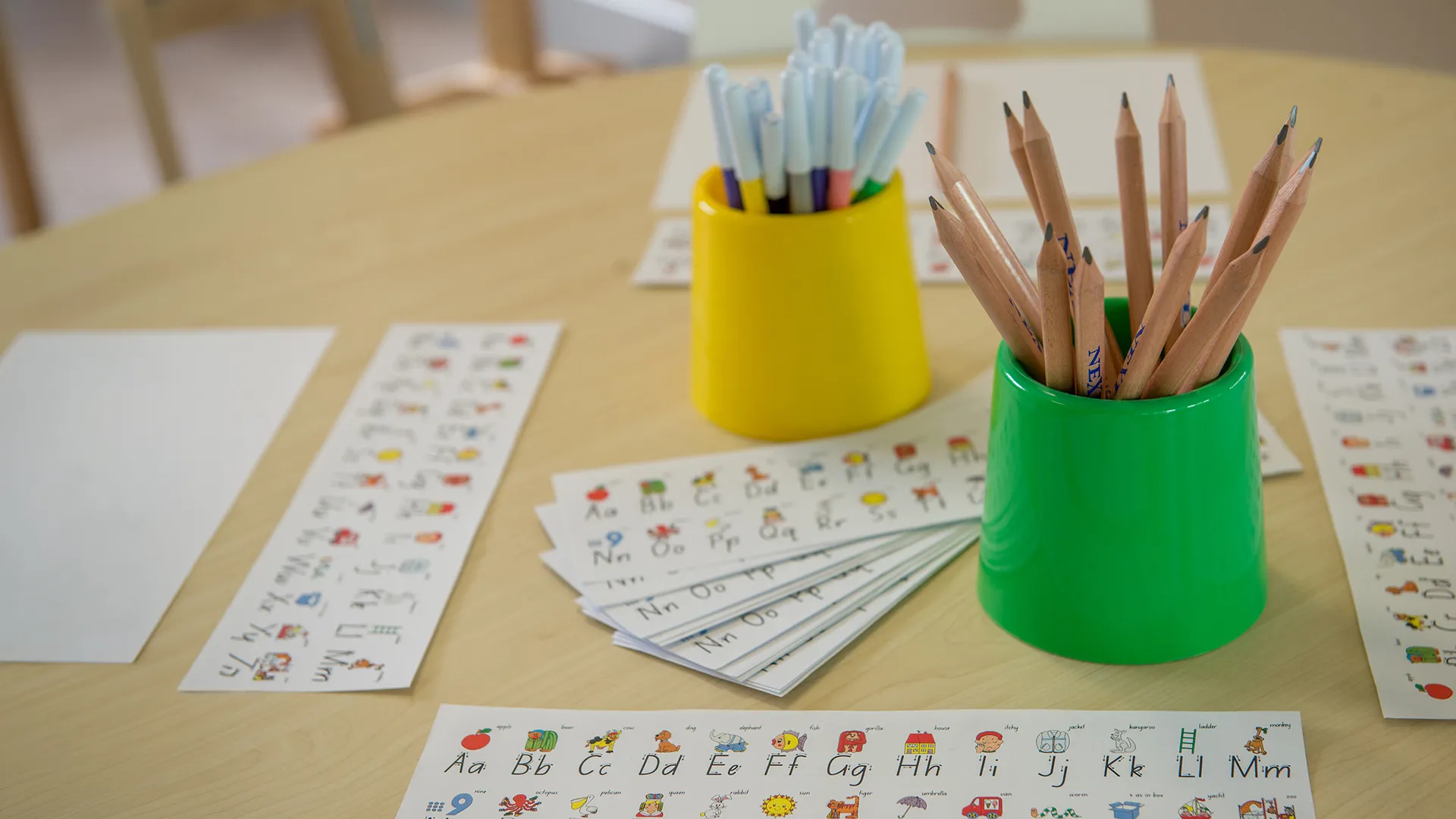
Your child starting school is an exciting step, but it can also bring many questions for parents. What should your child know before their first day? Should they be able to count, recognise letters or write their name?
It’s true, academic skills can be helpful, but school readiness is about much more than early literacy and numeracy. What often matters more in the early weeks of school is whether they feel confident, secure and ready to take part in the classroom.
Real school readiness isn’t about reading early or counting to 100. It’s about building the social, emotional and practical skills that help children feel comfortable and settle into a brand-new environment and feel ready to learn.
Of course, being exposed to literacy and numeracy early is helpful. Reading with your child, helping them recognise numbers, and counting during play builds strong foundations. But teachers don’t expect children to begin prep or reception already knowing everything. School is where they’ll learn those types of academic skills.
What really helps is when children feel confident joining in and taking part in the classroom from the first day.
Starting school is a huge transition. Children need to adjust to so many things, including:
To deal with this new experience, children benefit from developing social and emotional foundations early. It helps if they can:
These are skills that help children feel safe, and when children feel safe, they are in a better space to learn.
You might be surprised to know that teachers are often less concerned about whether a child can write their name, and more focused on how they handle the day-to-day realities of school life. Things like;
When children feel emotionally secure and socially confident, they are more likely to:
Studies on early learning highlight how important social and emotional skills are in helping children settle into school and learn well.
Sometimes even the most academically capable children find it difficult to settle into school. That’s why school readiness is not just about academic preparation, but about helping children feel confident and ready to get involved in the classroom.
Good news. School readiness skills develop naturally through everyday experiences like:
That’s why play-based early learning environments like the ones we provide at Edge Early Learning are so valuable in the lead-up to school.
At Edge Early Learning, school readiness is built into everyday learning through our Teach A Rainbow education program.
Rather than focusing only on academic milestones, our approach supports children to develop the full range of skills they’ll need for school, socially, emotionally, physically and cognitively.
Through play-based and child-led learning experiences, children build confidence in:
It may look like they’re just playing, but they’re busy building the resilience, curiosity and confidence they’ll need when they start school.
Some simple ways to support your child’s school readiness:
More tips on how to prepare your child for school and picture books about starting school that you can read together to help with the transition.
The truth is, both social and academic skills matter. But it’s the social and emotional side that makes the biggest difference to children when they start prep/reception.
If your child can manage routines, communicate their needs, build friendships and cope with challenges, they are in a great position to learn the academic side once school begins.
School readiness is not about being the “perfect” student on day one. It’s about helping your child gain the confidence and resilience to step into a new environment feeling secure.
At Edge Early Learning, we support children to develop the whole range of skills they need for a positive transition to school, academically, socially and emotionally.
If you’d like to learn more about how we support school readiness through our Teach A Rainbow program, contact us or find a centre near you.
With 70 childcare, kindergarten, and preschool centres across Queensland, South Australia, and the ACT our Family Engagement Team can help match you with a local centre that best suits your needs.
Fill out your details, and we’ll be in touch.
Education, Top News, Transition to School
Education, Parenting Resources, Transition to School