


Education, Parenting Resources
Parenting Resources
22 November, 2026
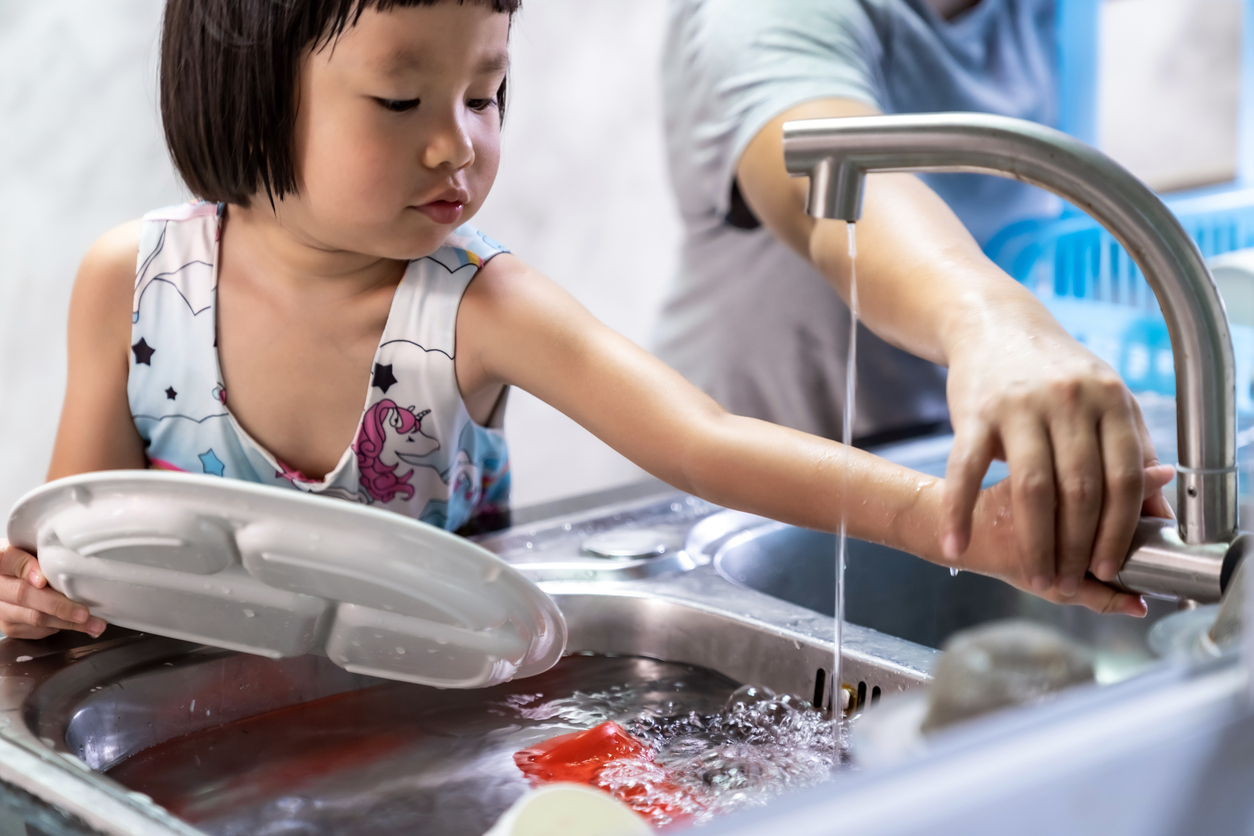
Little kids love helping mum and dad. Harness that enthusiasm and teach your kids to be useful. You never know they might grow into teenagers who clean their room… Well, it’s worth a shot!
Adults know there’s a whole lot of work that goes into running a home, keeping it clean and everyone fed. Encouraging children to help with those chores teaches them important skills, as well as teamwork, responsibility and independence. The tasks will probably take a little longer to complete, particularly as your child is learning, but it can be truly lovely to work alongside your little helper.
Chores for kids provide a range of developmental benefits:
It’s important to take into account a child’s age and ability when allocating chores for kids. Chores need to be achievable, so the tasks remain fun and rewarding rather than frustrating. Even young children, around age 3, can start with basic tasks that match their developmental stage. When children show an interest in helping, try to find a way they can be involved. As children grow, they can contribute in a more meaningful way.
A chore chart can be a helpful prompt to remind children what jobs they can help with each day. A chores chart for kids can be as simple as a list of jobs with space to tick them off once they’re completed. Some children are motivated by being able to place a sticker on the chore chart once a task is completed. Older children may have to show they have completed every task on the chore chart to access privileges or pocket money.
Chore chart templates
There is a huge selection of printable chore chart templates online for parents to download and use at home. You may like to print multiple copies or have one copy laminated to write on with a whiteboard marker and then wipe clean each week to reuse. Here are three free, printable chore chart templates that you can download without having to sign up to anything first:
A chores list for kids can be motivating but, even better, is actually enjoying the tasks. Have fun working alongside your child! Pop on some tunes and sing while you get jobs done. Set aside a time when the whole family gets stuck in and prepares dinner or folds the washing together. Praise your child for contributing and make a fuss of them when they master new skills.
This is entirely up to you. There is joy in being part of a team and contributing to family life but, as children get older, it can be useful to motivate them with stickers on a chore chart or money.
A 2023 survey of Australian parents by comparison website Finder found kids were being paid an average of $8 a week pocket money. Giving children money for chores is a way to help children learn to value money and start learning about finance. Paying a set weekly allowance for completed chores is a simple system, or parents can choose to pay children set amounts for particular chores. Read our parent’s guide to pocket money for more tips.
Natural consequences can be helpful, such as being unable to wear a favourite t-shirt because it’s not clean, because it wasn’t put in the washing basket. Older children may not be able to have a friend visit if their room isn’t clean. Another tactic is to offer a choice of two chores or let children know they may miss out on a sticker for their chore chart.
Our educators encourage children to work with their peers to help pack up toys, books and games before moving onto new activities. We often sing while we work and pitch in and help our friends.
With 70 childcare, kindergarten, and preschool centres across Queensland, South Australia, and the ACT our Family Engagement Team can help match you with a local centre that best suits your needs.
Fill out your details, and we’ll be in touch.
Education, Parenting Resources

Education, Parenting Resources, Transition to School