Have you ever wondered, “What does my child actually do at childcare all day?”
It’s something most parents think about, you just want to know your child is happy, cared for, and getting something meaningful out of their day.
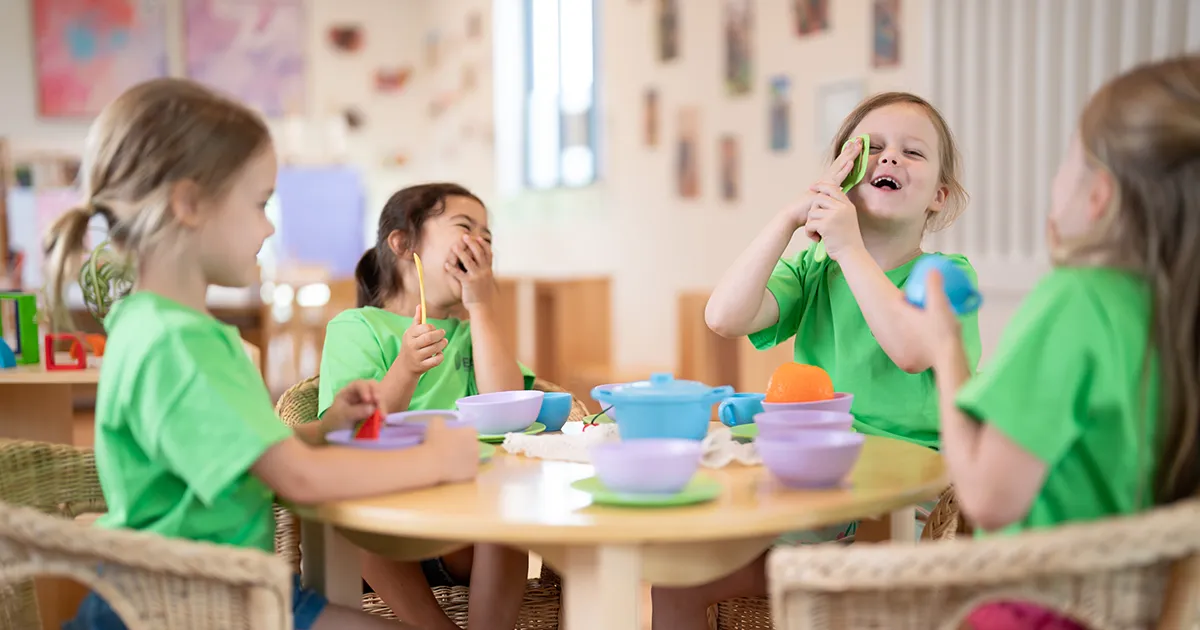
What looks like “just play” is much more than that. Every activity your child takes part in at Edge Early Learning Centres is designed to support their development and prepare them for the next step, whether that’s kindy, preschool or primary school. This approach is called play-based learning. Early childhood experts recognise it as one of the most effective ways young children learn, and it sits at the heart of how leading Australian early learning centres prepare children for school.
What is Play-Based Learning?
Play-based learning is learning through play. In a childcare setting, though, it’s more than free play. Our educators and teachers guide children’s learning experiences on purpose by:
- Providing activities that encourage curiosity
- Asking questions to extend thinking
- Supporting social interaction and problem-solving
So your child isn’t “just playing”. They’re building essential skills in language, thinking, movement and emotional development, and these are the skills they’ll rely on when they start school.
Why Play-Based Learning Matters
Children learn best when they’re curious, engaged and having fun. Play supports growth in four key areas:
- Cognitive: problem-solving, memory and early numeracy
- Social: sharing, turn-taking and cooperation
- Emotional: confidence, resilience and self-regulation skills
- Physical: coordination, balance and fine motor skills
Play-based learning helps children communicate better, solve problems, manage their emotions and feel confident in new situations. That’s why Australia’s national Early Years Learning Framework (EYLF v2.0) puts play at the centre of early childhood education and care.
Learn more about the benefits of play-based learning.
How Play-Based Learning Builds School Readiness?
Being ready for school isn’t about knowing the alphabet by heart or counting to 20. Teachers often say the children who settle into school most easily are the ones who can follow a routine, manage their feelings, get along with others and approach new challenges with confidence. Play builds every one of these skills.
Here’s how everyday play turns into school readiness:
- Block building and puzzles develop problem-solving, persistence and early maths concepts like size, shape and pattern.
- Role play strengthens language, storytelling and the ability to see things from someone else’s point of view.
- Group games teach turn-taking, listening, following instructions and coping when things don’t go their way. These are core parts of social emotional skills development.
- Drawing, painting, mark-making and craft build the fine motor control children need to hold a pencil and use scissors.
- Open-ended exploration with sand, water, natural materials or loose parts encourages creativity and critical thinking by letting children test ideas, ask “what if?” and try again.
At Edge Early Learning, our educators observe each child’s play during planned learning experiences, track their progress and plan future experiences that build the skills they’ll need for kindergarten and preschool readiness and, later, a confident start to school.
What Does a Day at Childcare Actually Look Like?
Wondering what a typical childcare daily routine looks like? At Edge Early Learning, each age group has its own program of learning and playing. A typical day mixes fun, learning, rest and care. This routine helps children feel safe and confident while giving them room to explore and be curious. Predictable routines are also an important part of school readiness, because they help children know what to expect and how to handle transitions.
A Day in the Life: Kindergarten (3–5 years)
Here’s what play-based learning looks like in childcare for kindergarten-aged children:
Morning Drop-Off
Their day starts with a warm welcome and a familiar routine. Children put their belongings in their bag racks and settle into the classroom. This simple routine builds independence and helps ease separation anxiety, which makes the move to school much smoother.
Learning in Groups
Children take part in both small and large group activities. Small groups focus on problem-solving, experiments and investigations, creative play and early literacy. Larger group sessions encourage teamwork, listening and social skills through singing, stories and movement-based play. They also help children practise sitting, listening and taking turns to speak, just as they will in a classroom.
Meals and Nutrition
At Edge Early Learning, our in-house chefs love creating meals that are both delicious and nutritious for kids. Our menus are designed to support growth and learning, and children even get to connect with the chefs from time to time. Mealtimes are also a chance to practise independence skills like opening lunchboxes and serving themselves.
Outdoor Play and Exploration
Children love playing outside, that’s why we make it an important part of their daily routine. During their time outside, children develop:
- Gross motor skills through climbing, running, and jumping
- Confidence through risk-taking in a safe environment
- Awareness of nature through activities like gardening
Building Independence Through Routine
Our educators encourage children to take on small responsibilities throughout the day, such as washing their hands, putting on sunscreen or packing away toys and personal belongings. These moments build:
- Confidence
- Responsibility
- A sense of achievement
These are the self-care skills that school teachers hope children arrive with in prep.
Pick-up and Reflection
At the end of the day, our educators chat with parents about what their child did and how their learning can continue at home.
What About Babies and Toddlers?
Daily routines vary by age, but the foundation stays the same: play-based learning in a structured, nurturing environment that supports each stage of development. School readiness doesn’t start in the year before school. It builds gradually from the very first year.
Infants (0–1 years)
At this age, every day is about exploring, bonding, and building trust. Babies discover the world through their senses, seeing, touching, tasting, hearing, and moving. Tummy time, music, sensory play, or a game of peek-a-boo turns every moment into a learning opportunity.
They start recognising faces, responding to their name, waving goodbye, or pointing to what they want. Rolling, sitting, crawling, and standing give them the confidence to move and explore, while gentle interactions with caring educators support their emotional growth and attachment.
At Edge Early Learning, each day is full of safe, stimulating experiences. Our team offers encouragement and celebrates every little milestone, helping them grow cognitively, socially, emotionally, and physically, while feeling secure, happy, and curious about the world around them.
Toddlers (1–3 years)
Toddlers are busy little explorers! Each day at Edge Early Learning is full of discovery, play, and learning. They start by choosing activities that spark their curiosity, whether it’s stacking blocks, exploring sand and water, or dancing to music.
Through play, they practise new words, solve problems, and learn to express themselves. “Show and Tell,” storytelling, and group games help them build confidence, make friends, and understand the world around them. Outdoor play and obstacle courses strengthen their muscles and coordination, while drawing, puzzles, and building activities refine fine motor skills. All of this lays the groundwork for kindergarten and preschool readiness.
How Can You Support Play-Based Learning at Home?
Simple, everyday activities can reinforce what your child learns at childcare and help them get ready for school:
- Drawing, painting, or building
- Pretend play or dress-ups
- Outdoor exploration or nature walks
- Reading and storytelling
- Music, dancing, or singing
- Board games that involve taking turns and following rules
Play-Based Learning at Edge Early Learning
A day at childcare might look like just play, but every activity is designed to help children learn. Through play-based learning, children at Edge Early Learning explore, discover and grow in ways that feel natural to their age and stage. They build the confidence, independence, social skills and curiosity that make the move to school a positive one.
Explore our childcare centres, meet our educators, and see how play-based learning supports your child’s development every step of the way.